





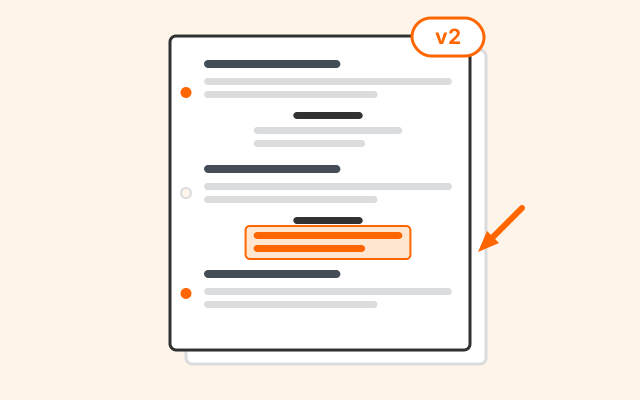


What is a Combined Dialogue and spotting List (CDSL)?
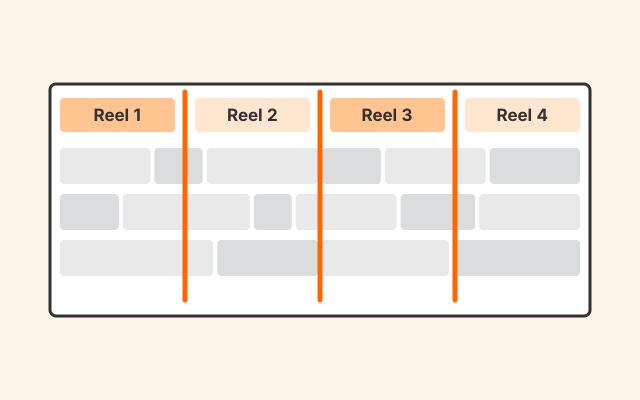
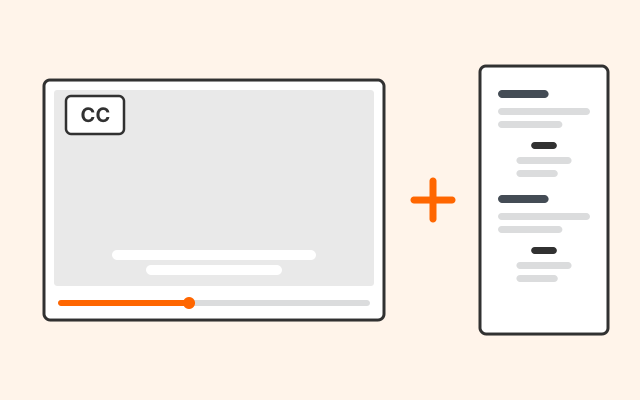
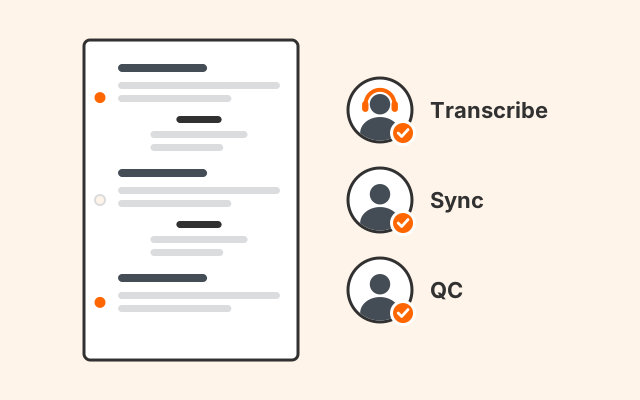
A CDSL for film and TV combines two documents: a dialogue list of every line with its speaker, and a spotting list that breaks the dialogue into timed subtitles and names who each line is spoken to. Delivery schedules also call it a dialogue spotting list or a subtitle spotting list.
Subtitle houses and translators work from the spotting list, so every language version keeps the same timing and line breaks, and the addressee tells a translator which form of address a line needs. Dubbing studios work from the same lines and speakers, and distributors send the CDSL on to their foreign territories with the film.
A CDSL has no description of the picture: no shots and no action. If your delivery schedule asks for the action, shot by shot, you need a CCSL.
CDSL vs CCSL: What’s the Difference?
Both have every line of dialogue spotted into subtitles; a CCSL also describes the picture, cut by cut.
When You Need a CDSL:
- Your delivery schedule asks for dialogue and subtitle spotting only.
- Your film is being subtitled or dubbed into other languages.
- A broadcaster or subtitle house asks for a spotting list.
When You Actually Need a CCSL (Not CDSL):
- The schedule says “continuity”, “action”, “cut-by-cut description” or “footage and frame counts”.
- The contract says “combined continuity and spotting list”.
Schedules use both names loosely, so order what yours describes. Paste your delivery spec, or see CCSL vs CDSL vs dialogue list.